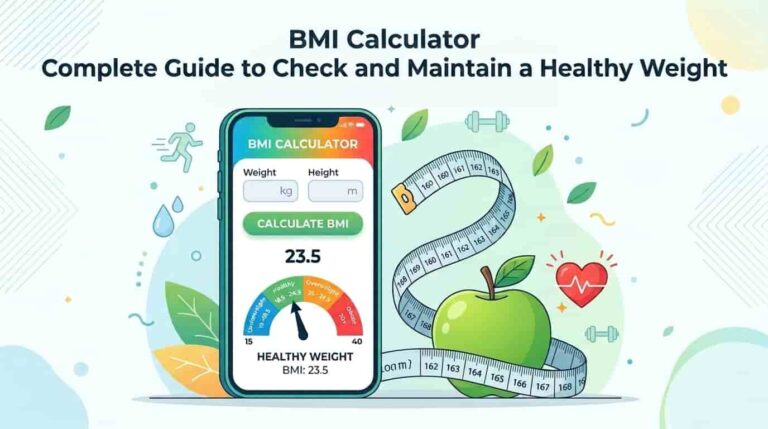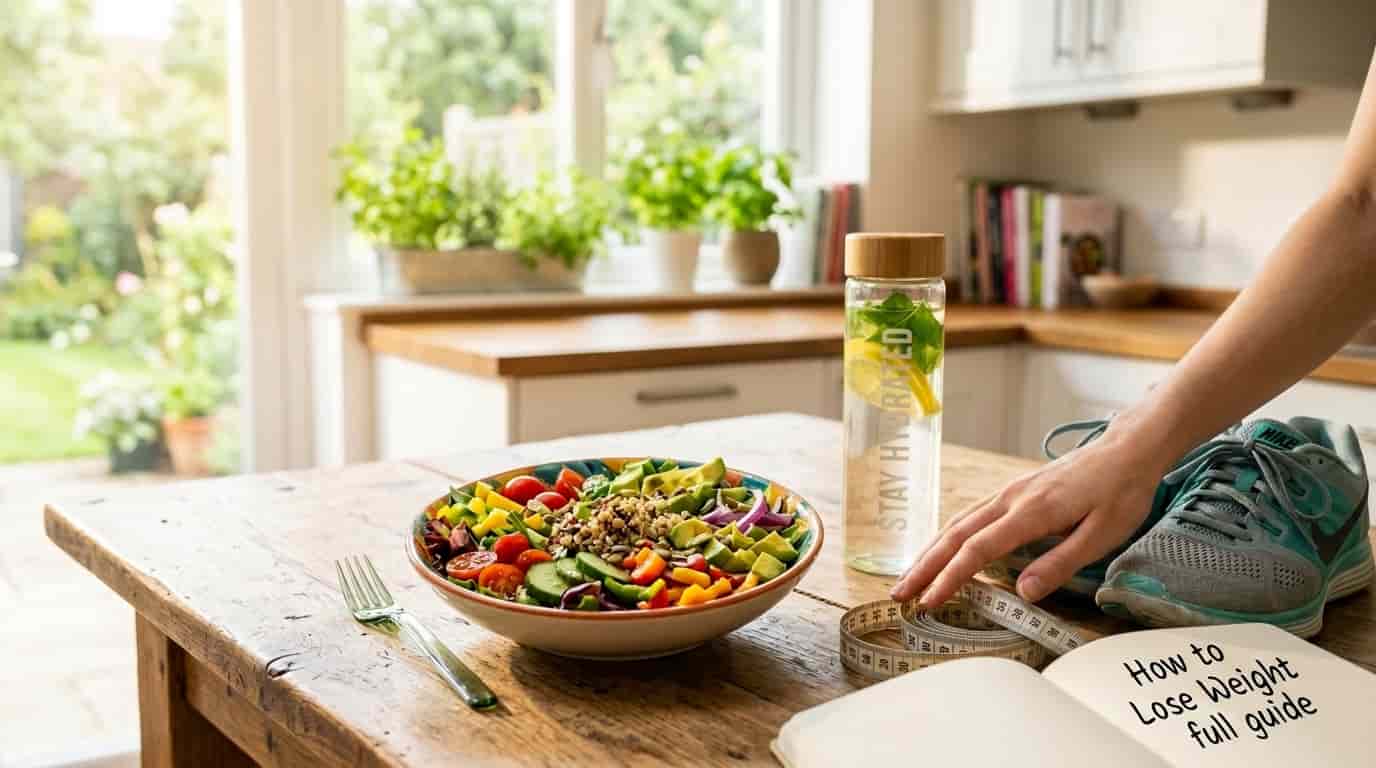
How to Lose Weight: Simple and Healthy Guide for Lasting Results!
Many people want to know how to lose weight safely and naturally. Losing weight is not about following extreme diets or spending hours in the gym every day. It is about building healthy habits that you can continue for a long time. Small daily changes often bring better results than quick fixes. With the right plan, you can improve your health, increase your energy, and feel more confident.
Healthy weight loss happens when you burn more calories than you consume while still giving your body the nutrients it needs. A balanced diet, regular exercise, enough sleep, and stress management all play important roles. The goal should not only be to lose weight but also to stay healthy.
This guide explains everything you need to know about how to lose weight using simple methods that anyone can follow.
Why Maintaining a Healthy Weight Matters
Keeping a healthy weight offers many benefits beyond appearance. It supports your overall health and helps prevent many diseases.

Some important benefits include:
- Better heart health
- Lower risk of diabetes
- Improved blood pressure
- More energy throughout the day
- Stronger joints and muscles
- Better sleep quality
- Increased confidence
- Improved mental well-being
Losing even a small amount of weight can make a noticeable difference in your health.
Understand How Weight Loss Works
Weight loss happens when your body uses more calories than you eat. This is called a calorie deficit.
Your body gets energy from food. When you consume more calories than you burn, the extra energy is stored as fat. When you eat fewer calories than your body needs, it starts using stored fat for energy.
However, cutting too many calories is unhealthy. Slow and steady weight loss is safer and easier to maintain.
Set Realistic Weight Loss Goals
Many people expect fast results, but healthy weight loss takes time.
Good goals include:
- Lose weight gradually
- Exercise regularly
- Eat healthier meals
- Drink more water
- Sleep at least seven to eight hours
Small goals keep you motivated and reduce frustration.
Also read: Parenting Tips
Eat a Balanced Diet
Healthy eating is one of the most important parts of how to lose weight.
A balanced diet should include:
Fruits and Vegetables
They are rich in vitamins, minerals, and fiber while being low in calories. Try to fill half your plate with colorful fruits and vegetables.
Lean Protein
Protein helps build muscles and keeps you full longer.
Healthy protein sources include:
- Chicken
- Fish
- Eggs
- Beans
- Lentils
- Greek yogurt
- Tofu
Whole Grains
Choose whole grains instead of refined grains.
Examples include:
- Brown rice
- Oats
- Whole wheat bread
- Quinoa
Whole grains provide fiber that supports digestion and reduces hunger.
Healthy Fats
Healthy fats are necessary for your body.
Good sources include:
- Avocados
- Nuts
- Seeds
- Olive oil
Eat them in moderation because they contain many calories.
Control Your Portion Sizes
Even healthy foods can lead to weight gain if you eat too much.
Simple ways to manage portions include:
- Use smaller plates
- Eat slowly
- Stop eating when comfortably full
- Avoid eating directly from large packages
- Measure servings when necessary
Learning proper portion sizes helps reduce calorie intake naturally.
Drink More Water
Water supports digestion and helps control hunger.
Many people mistake thirst for hunger, leading to unnecessary snacking.
Try to:
- Drink water before meals
- Carry a reusable water bottle
- Replace sugary drinks with water
- Stay hydrated throughout the day
Water contains no calories, making it one of the best drinks for weight loss.
Reduce Sugar Intake
Too much sugar adds extra calories without providing important nutrients.
Foods high in added sugar include:
- Soft drinks
- Candy
- Cakes
- Cookies
- Sweet cereals
- Ice cream
Instead, satisfy your sweet cravings with fresh fruit or yogurt.
Avoid Highly Processed Foods
Processed foods often contain:
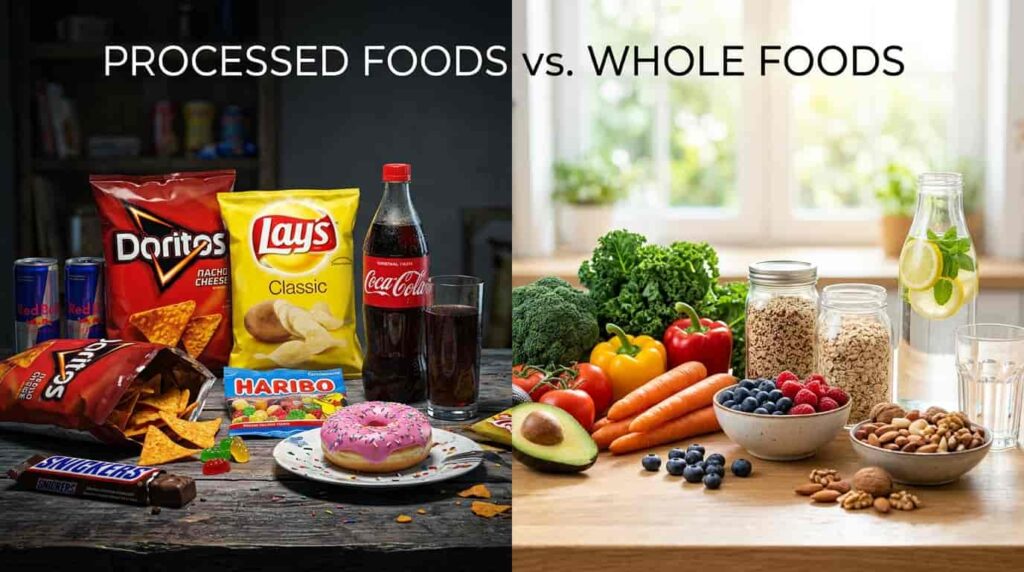
- Excess sugar
- Unhealthy fats
- Salt
- Artificial ingredients
Choose fresh, whole foods whenever possible. Cooking meals at home also helps you control ingredients and portion sizes.
Increase Your Daily Physical Activity
Exercise helps burn calories while improving overall health.
You do not need expensive equipment or a gym membership.
Simple activities include:
- Walking
- Cycling
- Swimming
- Dancing
- Jogging
- Hiking
Aim for at least 150 minutes of moderate exercise every week.
Include Strength Training
Many people focus only on cardio, but strength training is equally important.
It helps:
- Build muscle
- Increase metabolism
- Improve posture
- Strengthen bones
- Burn more calories even while resting
Use bodyweight exercises, resistance bands, or weights two to three times each week.
Walk More Every Day
Walking is one of the easiest ways to lose weight.
Simple ideas include:
- Take the stairs
- Park farther away
- Walk during lunch breaks
- Walk after dinner
- Walk while talking on the phone
Even short walks throughout the day add up.
Also read:Healthy Eating Tips
Get Enough Sleep
Poor sleep affects hormones that control hunger and appetite.
People who sleep less often feel hungrier and crave unhealthy foods.
Try to:
- Keep a regular bedtime
- Limit screen time before bed
- Sleep in a quiet room
- Aim for seven to nine hours each night
Better sleep supports healthy weight loss and overall wellness.
Manage Stress Effectively
Stress can make weight loss more difficult. When you feel stressed, your body produces hormones that may increase hunger and lead to emotional eating. Finding healthy ways to manage stress supports both your mental and physical health.
Helpful stress management techniques include:
- Practice deep breathing
- Meditate for a few minutes daily
- Spend time outdoors
- Listen to relaxing music
- Read a good book
- Talk with supportive friends or family
Reducing stress makes it easier to stick to healthy eating habits.
Plan Your Meals
Meal planning helps you avoid unhealthy food choices. Preparing meals in advance saves time and reduces the temptation to order fast food.
A simple meal plan should include lean protein, whole grains, vegetables, fruits, and healthy fats. Keep healthy snacks ready so you are less likely to choose high-calorie foods.
Choose Healthy Snacks
Snacking is not bad if you choose nutritious options. Healthy snacks keep your energy steady and prevent overeating during meals.
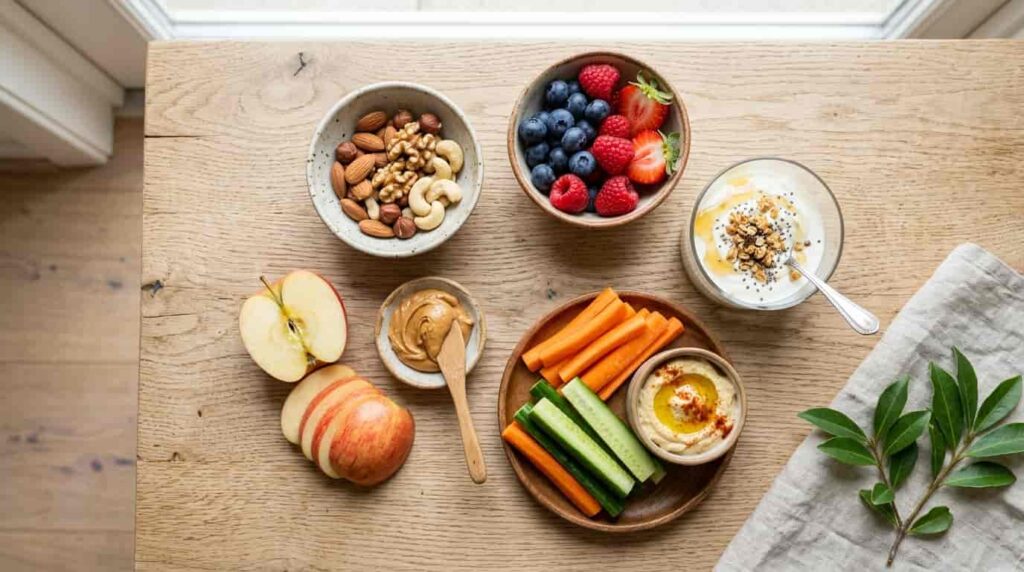
Good snack ideas include:
- Fresh fruit
- Mixed nuts
- Low-fat yogurt
- Carrot sticks
- Cucumber slices
- Boiled eggs
- Apple with peanut butter
Keep portion sizes reasonable to avoid extra calories.
Avoid Common Weight Loss Mistakes
Many people make mistakes that slow their progress.
Common mistakes include:
- Skipping meals
- Following crash diets
- Drinking sugary beverages
- Eating too quickly
- Ignoring portion sizes
- Expecting instant results
Avoiding these habits helps you lose weight safely and maintain your results.
Stay Motivated
Weight loss is a journey that requires patience. Celebrate small achievements instead of focusing only on the final goal.
Keep a journal to track your meals, exercise, and progress. Take photos or measurements every few weeks instead of checking the scale every day. These methods show improvements that numbers alone may not reveal.
Maintain Your Weight After Losing It
Keeping the weight off is just as important as losing it. Continue eating balanced meals, exercising regularly, drinking enough water, and sleeping well. Healthy habits should become part of your daily lifestyle rather than temporary changes.
Remember that occasional treats are normal. Enjoy them in moderation and return to your healthy routine without guilt.
FAQs:
1. What is the healthiest way to lose weight?
The healthiest way is to eat a balanced diet, exercise regularly, drink enough water, and create a moderate calorie deficit.
2. How much weight can I safely lose each week?
Most experts recommend losing about one to two pounds per week for safe and lasting results.
3. Can I lose weight without going to the gym?
Yes. Walking, cycling, home workouts, and other daily physical activities can help you lose weight effectively.
4. Does drinking water help with weight loss?
Yes. Water helps control hunger, supports digestion, and replaces high-calorie sugary drinks.
5. Should I avoid all carbohydrates?
No. Choose healthy carbohydrates such as whole grains, fruits, and vegetables instead of refined carbohydrates.
6. How long does it take to see weight loss results?
Many people notice small improvements within a few weeks if they consistently follow healthy eating and exercise habits.
Conclusion:
Learning how to lose weight does not require expensive programs or extreme diets. The most effective approach is to build healthy habits that you can maintain for life. Eat balanced meals, control portion sizes, stay active, sleep well, manage stress, and drink plenty of water. Focus on steady progress instead of quick results. Every healthy choice brings you closer to your goal. With consistency and patience, you can achieve a healthier weight, improve your overall well-being, and enjoy lasting success.
Related post: